Clinical Trial Perspectives: Precision Oncology, GLP-1 Imaging Gaps & AI Mammography Momentum

Clinical research is increasingly shaped not only by new therapies, but also by smarter diagnostics, improved endpoint selection, and precision medicine breakthroughs. Recent discussions focus on targeted treatment progress in Ewing sarcoma, overlooked imaging opportunities in GLP-1 studies, and growing evidence supporting AI-augmented mammography screening.
Recent analysis featured by Clinical Trial Vanguard highlights how science, technology, and trial design are reshaping the future of medicine.
Ewing Sarcoma Trial Highlights Precision Oncology Progress
Precision oncology continues to gain momentum with encouraging evidence from a Nature Medicine Phase 1/2 study involving trabectedin plus low-dose irinotecan in Ewing sarcoma. The trial targeted EWS::FLI1, a fusion protein present in most Ewing sarcoma cases and long considered difficult to drug directly. The results have renewed optimism that biomarker-driven approaches can finally deliver meaningful outcomes in rare, aggressive cancers.
Read more in Ewing Sarcoma’s EWS::FLI1 Trial Just Showed What Precision Oncology Has Been Promising for a Decade.
The Imaging Gap in GLP-1 Trials
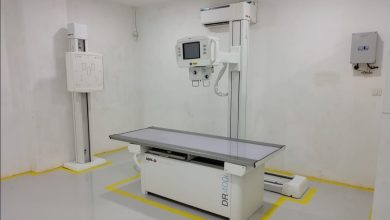
As GLP-1 therapies expand across obesity and metabolic disease, many studies remain heavily focused on weight reduction while underutilizing advanced imaging biomarkers. Imaging tools such as MRI, DEXA, and body composition scans may reveal important effects on visceral fat, lean mass preservation, hepatic steatosis, and cardiometabolic risk—data that may not be fully captured through scale weight alone.
More insights are available in The Imaging Gap in GLP-1 Trials: Why the Most Important Data May Not Be in Your Protocol.
MASAI Trial Reinforces AI-Augmented Mammography
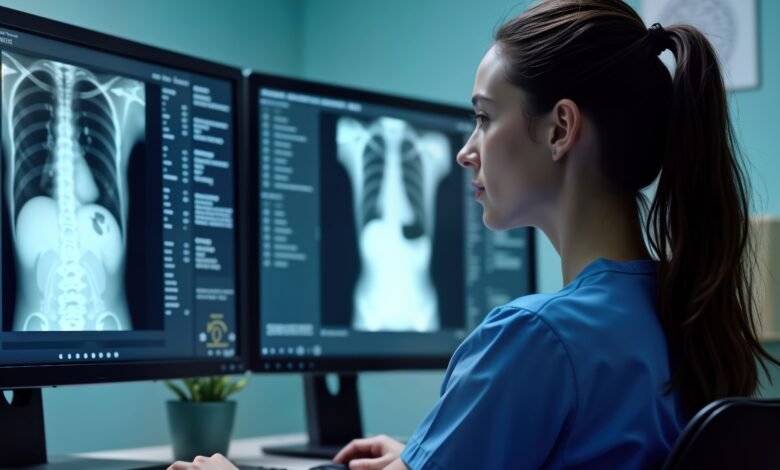
The MASAI trial has strengthened the case for AI-supported mammography screening by demonstrating improved screening efficiency while maintaining strong diagnostic performance. These findings support a growing view that AI can enhance radiologist workflows, improve detection pathways, and help address workforce shortages in breast screening programs.
Further coverage can be found in The MASAI Trial Just Made AI-Augmented Mammography the Standard of Care. The FDA Hasn’t Noticed.
Key Trends Across Clinical Innovation
These developments highlight several broader themes shaping modern healthcare research:
- Expansion of precision oncologytargeting core disease drivers
- Greater use of advanced imaging endpointsin metabolic medicine
- Accelerating integration of AI into diagnostic workflows
Tracking these shifts helps clinicians, sponsors, and researchers understand how next-generation evidence strategies are changing trial design and patient care.