
Introduction
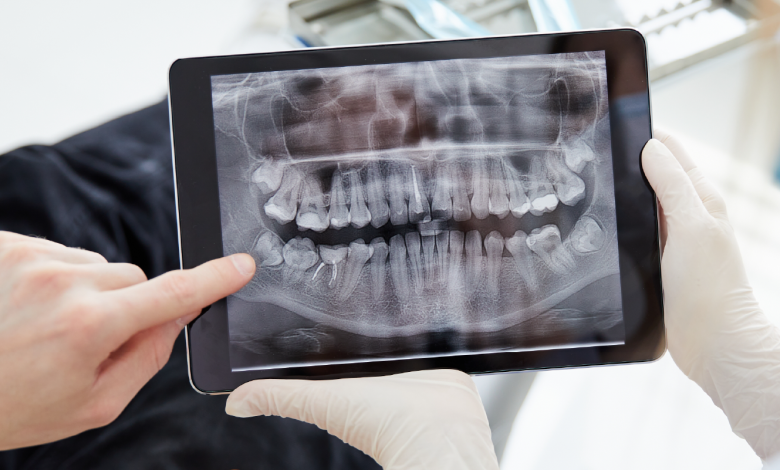
In the last few years, computerized dental imaging has changed a lot how dentists look at, diagnose, and treat patients. Before, you had to wait a long time and the film gave you mixed results. Now, you may acquire what you need fast and with clear, vibrant pictures. Digital dental imaging is becoming the most used technology because it makes dental care safer, faster, and more dependable, which is what patients want. Its power to capture high-quality images in seconds has given both physicians and patients a new level of trust, making dental visits more informative and less stressful.
How Digital Dental Imaging Changed Over Time
As technology got better, the shift toward digital dental imaging proceeded slowly. Old-fashioned X-rays needed chemicals to develop and often created pictures that were hard to view. These days, digital systems use modern sensors, software, and 3D scanning techniques to get clear and accurate photos of teeth, gums, and jaw bones. Outdated film has been replaced by tools like CBCT scanners, panoramic imaging, and digital intraoral cameras. These tools give results faster and with much more clarity. Digital dental imaging has become more popular because dentists worry about getting things right and keeping patients safe.
Why Dentists Like Digital Dental Imaging
Digital dental imaging is becoming more and more popular with dentists throughout the world since it has big benefits that film-based systems can’t match. The main benefit is that people of all ages are exposed to less radiation, which makes the treatment safer. Also, dentists may zoom in on, magnify, and quickly show digital images on screens. This helps them find problems that are hard to see, like early cavities, bone loss, or gum infections. The speed and quality of these photographs enables dentists explain challenges promptly, answer patient concerns on the moment, and help individuals understand their oral health better.
Digital dental imaging for accurate diagnosis
Finding tooth problems early is incredibly important, and digital dental imaging is a key part of it. High-resolution pictures let dentists see even the smallest changes in the anatomy of teeth and bones. Whether it’s assessing a root canal, examining tooth alignment, or finding infections, digital imaging delivers special insights that cannot be seen with the naked eye. Advanced 3D scans allow dentists many photos of the same region, leading to more confident diagnosis. This level of accuracy makes ensuring that treatment regimens are personalized, successful, and match the needs of the patient.
How digital dental imaging helps with treatment planning
Digital dental imaging can perform a lot more than simply conventional exams. For orthodontic treatments, it helps figure out how movable the teeth are and where the jaw is. CBCT scans show the depth, density, and exact insertion places of the bone while having dental implants. This makes the treatment easier and more likely to work. Digital impressions are useful for various types of restorative work, such as crowns and dental bridges. They are faster and more accurate than traditional molds. Dentists can model treatment results with graphics that are dynamic and very realistic. This lets patients imagine their ideal grin before the operation even starts.
A Better Patient Experience With Digital Dental Imaging
Clients like digital dental imaging because it makes their sessions easier. Instead of biting down on painful film or waiting for pictures to develop, patients can get quick, uncomplicated imaging with little pain. They can see their scans as they happen, ask questions, and know exactly what’s going on in their mouths. This transparency develops confidence and makes people feel less anxious about going to the dentist. Digital dental imaging makes the whole procedure easier and more participatory, which enhances both confidence and communication during treatment.
Better imaging to help preventive dentistry
When imaging is right and consistent, preventive medicine works a lot better. With digital dental imaging, dentists may track changes in oral health spanning months or years. It’s possible to find small problems like early decay or gum inflammation much sooner, which can keep people from needing extensive surgery later. Since digital information are easy to preserve and compare, dentists may swiftly spot patterns or issues and push patients toward preventive care. This makes preventive dentistry stronger and more tailored.
Conclusion
As technology gets better, digital dental imaging will become ever more accurate, easier to use, and new. There are existing imaging instruments that work faster, smarter diagnostic tools, and image processing systems that use AI. These advances will make dental care more efficient and comfortable than ever before. Digital dental imaging is projected to stay a significant feature of modern dentistry for years to come since it has so much potential and is helpful for patients. It will help dentists provide safer, smarter, and more reliable care.